
BMI Isn't Enough: Why the Weight Calculator Lies and What to Track Instead
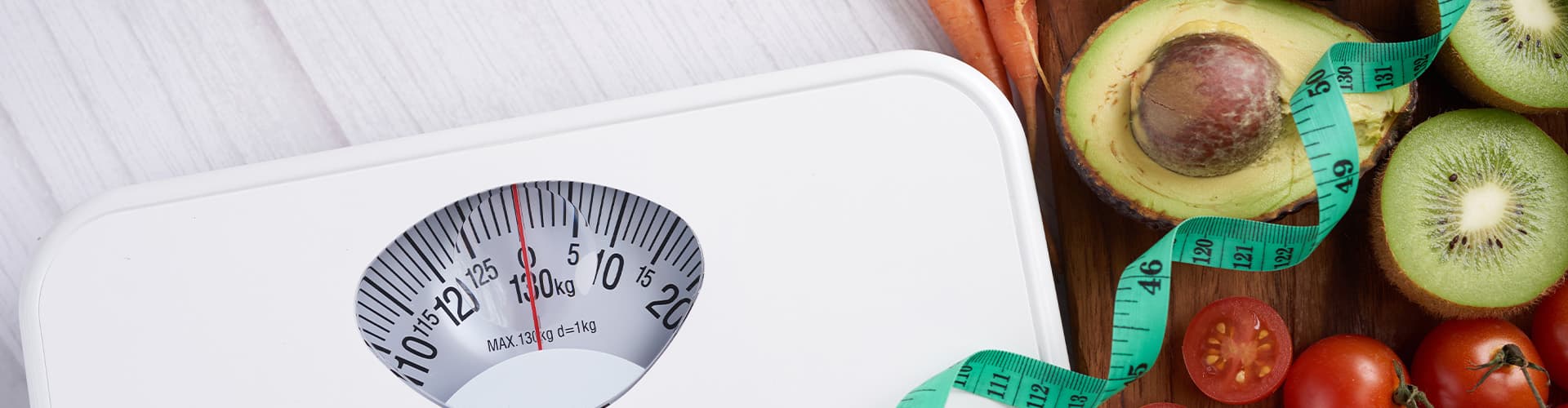
You plug your height and weight into a BMI calculator, get a number, and next to it a label: "underweight," "normal weight," "overweight," "obese." Quick, simple, and — let's be honest — often misleading. A muscular athlete regularly gets flagged as "overweight." A thin person with very little muscle mass gets the green light, even though their body composition is far from optimal.
BMI (body mass index) was never designed as a diagnostic tool for an individual. It was created in the 19th century as a statistical tool for comparing populations, not people. The problem is the internet has spent decades treating it like gospel.

Why the BMI number alone is so easy to misread
The BMI formula is weight divided by height squared. Nothing in that equation knows how much of your mass is muscle, how much is fat, and how much is water. It also doesn't know where that fat is located — which actually matters quite a bit for your health.
Check your waist circumference, not just your weight
Visceral fat (around the abdomen) carries more health risk than fat stored elsewhere, like the thighs. A simple tape-measure check, done consistently in the same spot and at the same time of day, tells you more than a BMI score ever will.
Track the trend, not a single reading
One number on the scale is a snapshot, not a story. Whether your weight (or waist measurement) is trending down, up, or holding steady over several weeks tells you far more than a single day's reading — which is affected by hydration, time of day, or your last meal.
Pay attention to how you actually feel and function
Energy levels, sleep quality, strength in your workouts, whether your clothes fit more comfortably — these are signals no calculator captures, and they often shift before the number on the scale does.
So is BMI completely useless?
Not entirely. As a very rough, quick starting point — say, to gauge whether it's worth taking a closer look at your eating habits — it does its job. The trouble starts when it's treated as a verdict or the only measure of progress. That leads to two opposite mistakes: false reassurance (BMI in the "normal" range while body composition is far from ideal) or needless stress (BMI flags someone as overweight when they're actually quite fit).
What to actually do about it
If you checked your BMI and the result either worried you or, on the flip side, gave you a false sense of security — treat it as a starting point, not a conclusion. Pair it with waist measurements, weight trends over time, and how you genuinely feel. And if the takeaway is that your eating habits could use some structure, that's exactly the moment where, instead of another rigid diet, a plan that adapts to you — not the other way around — comes in handy.
Want to plan your meals with the help of AI?
Sign up for Swaplate →